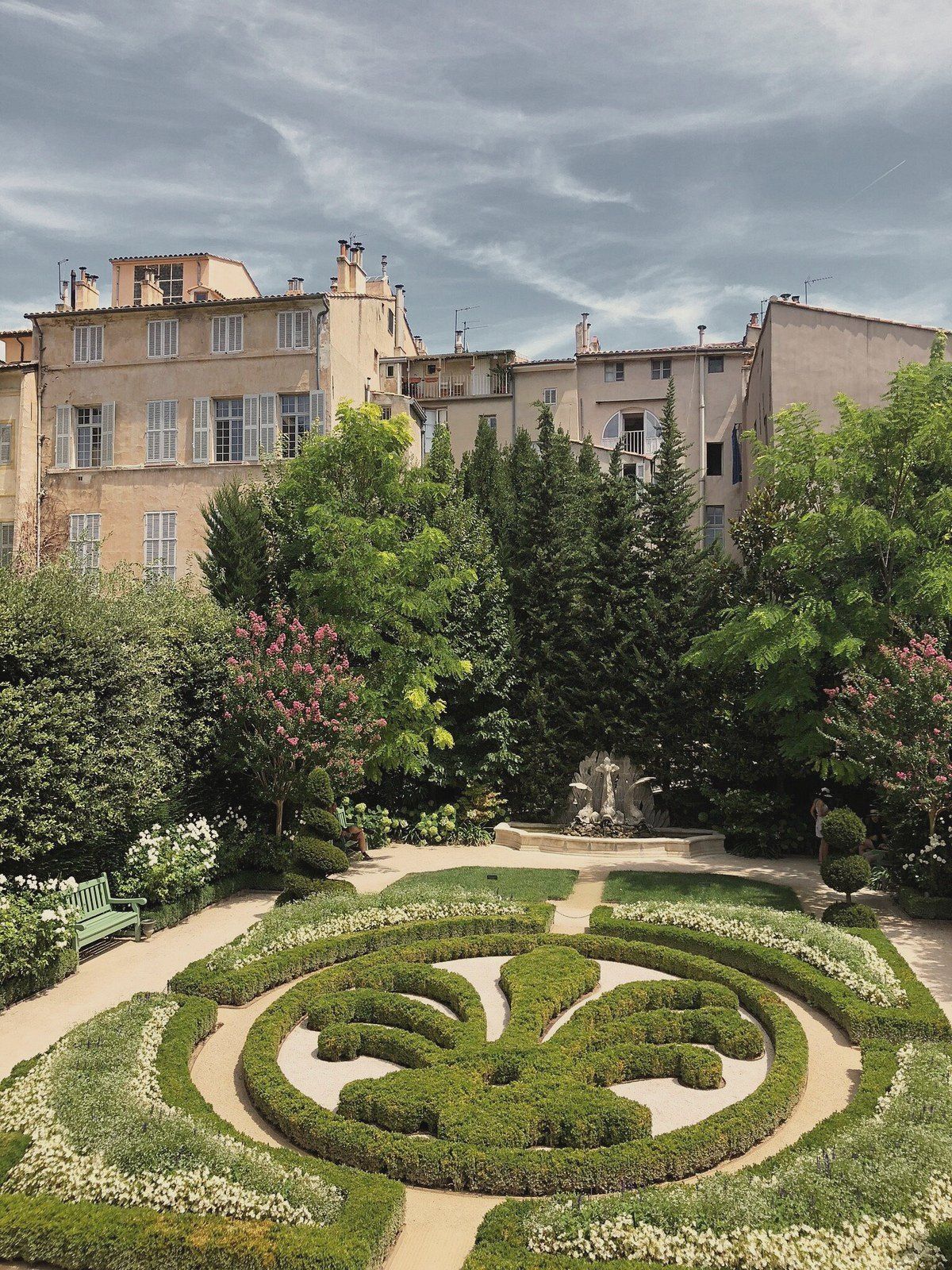

North of the Cours Mirabeau, old Aix reveals itself square by square. Some have a long history, others a single anecdote, but each one is worth the detour.
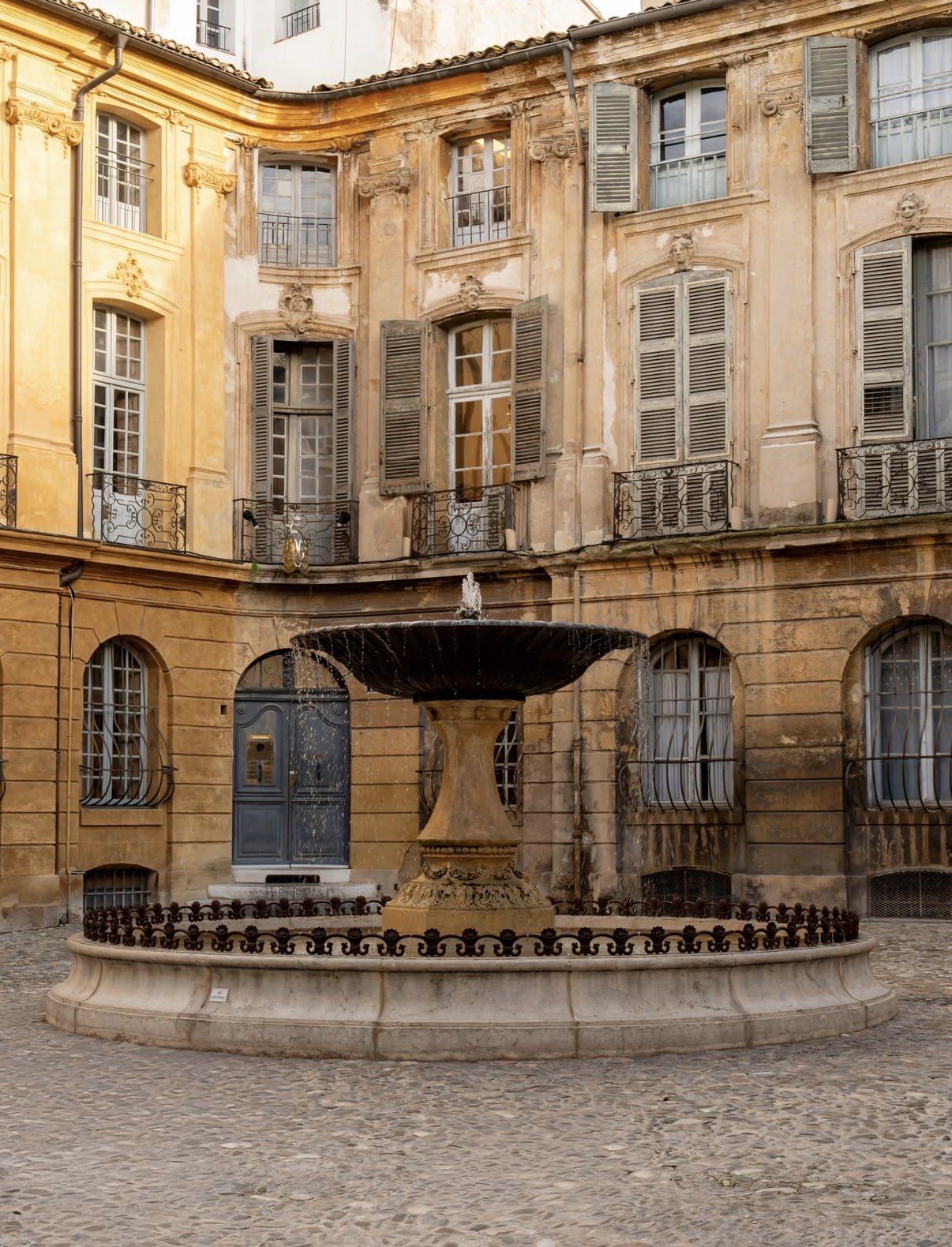
A marquis's whim
The most beautiful square in Aix was born of one man's whim: the Marquis d'Albertas, who took exception to the houses opposite his own.
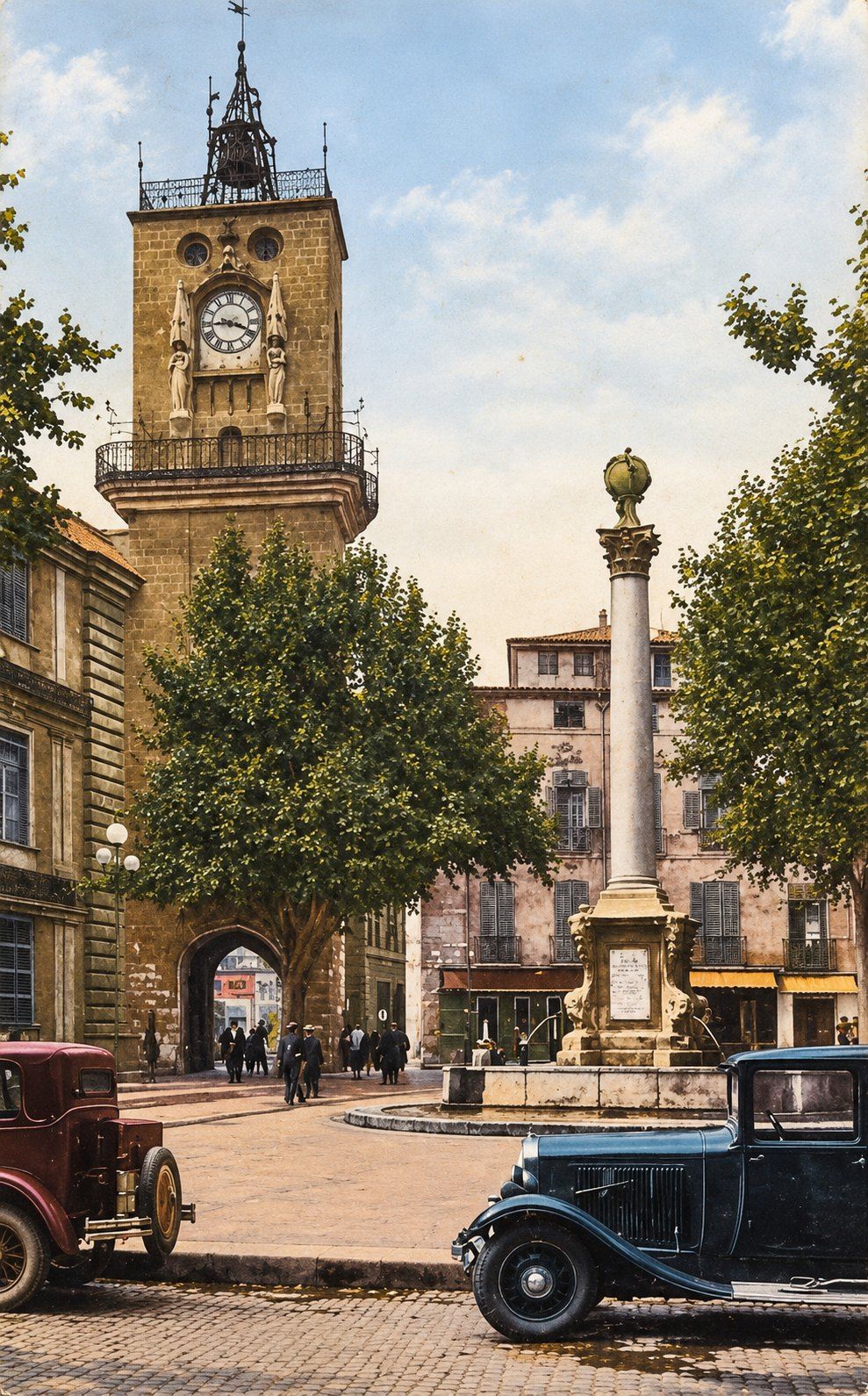
The clock of the seasons
For more than five centuries, this is where Aix has come to meet, beneath the tower that tells both the hour and the season.
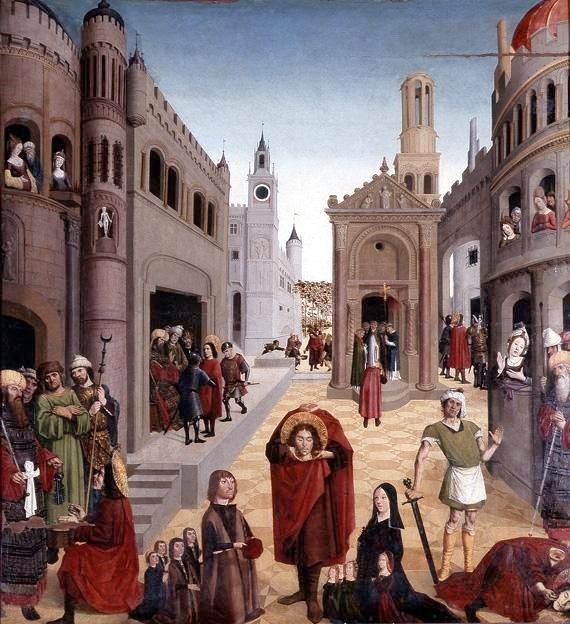
The saint who carried his own head
On the cathedral's façade, a man holds his own head: Saint Mitre, patron saint of Aix. Beheaded in the 5th century, he is said to have carried his head to the church himself.
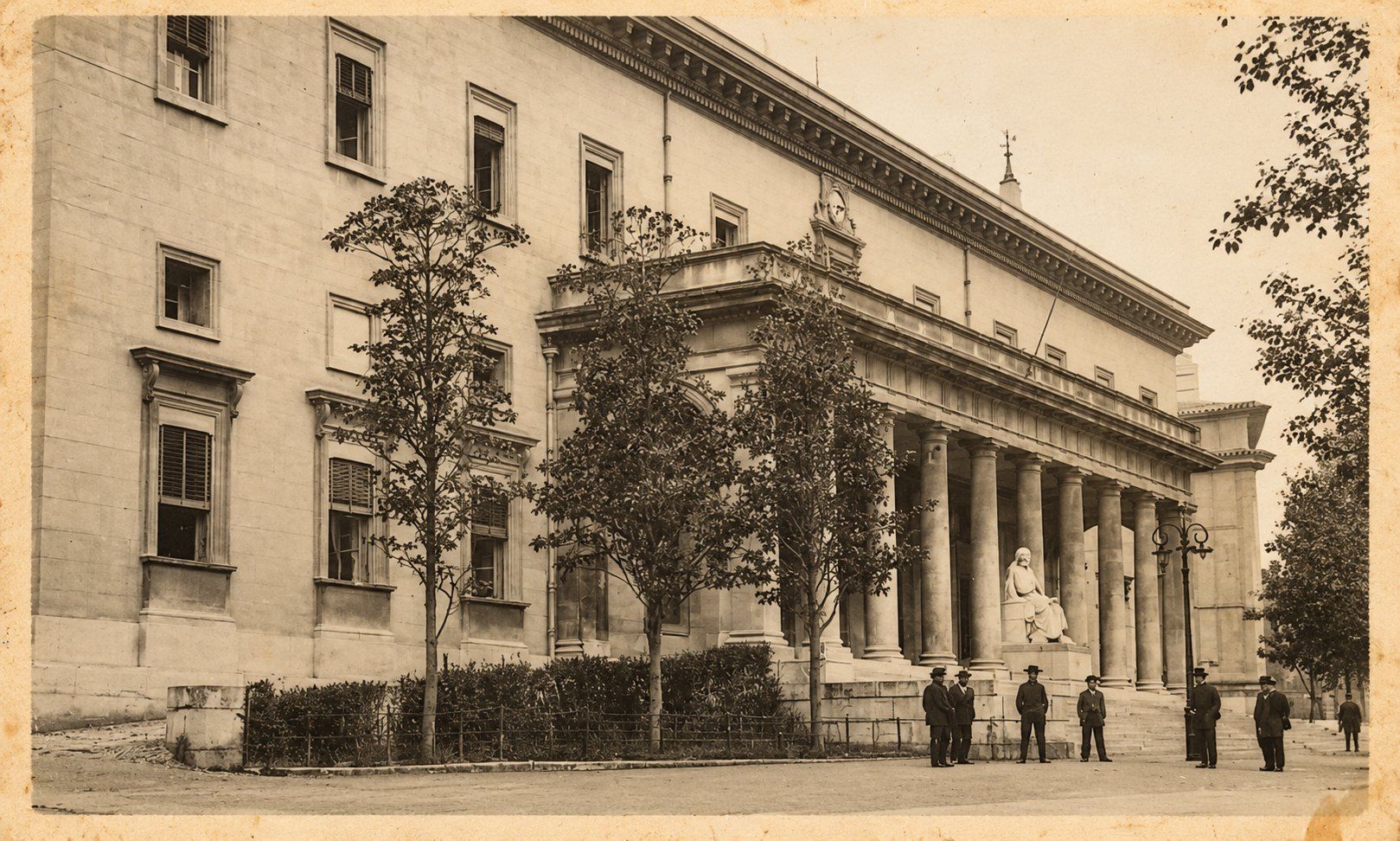
Facing the palace of the counts
For centuries, the square faced the palace of the Counts of Provence, which later housed the Parlement. It was razed in 1786; the law courts that replaced it were not inaugurated until 1832.
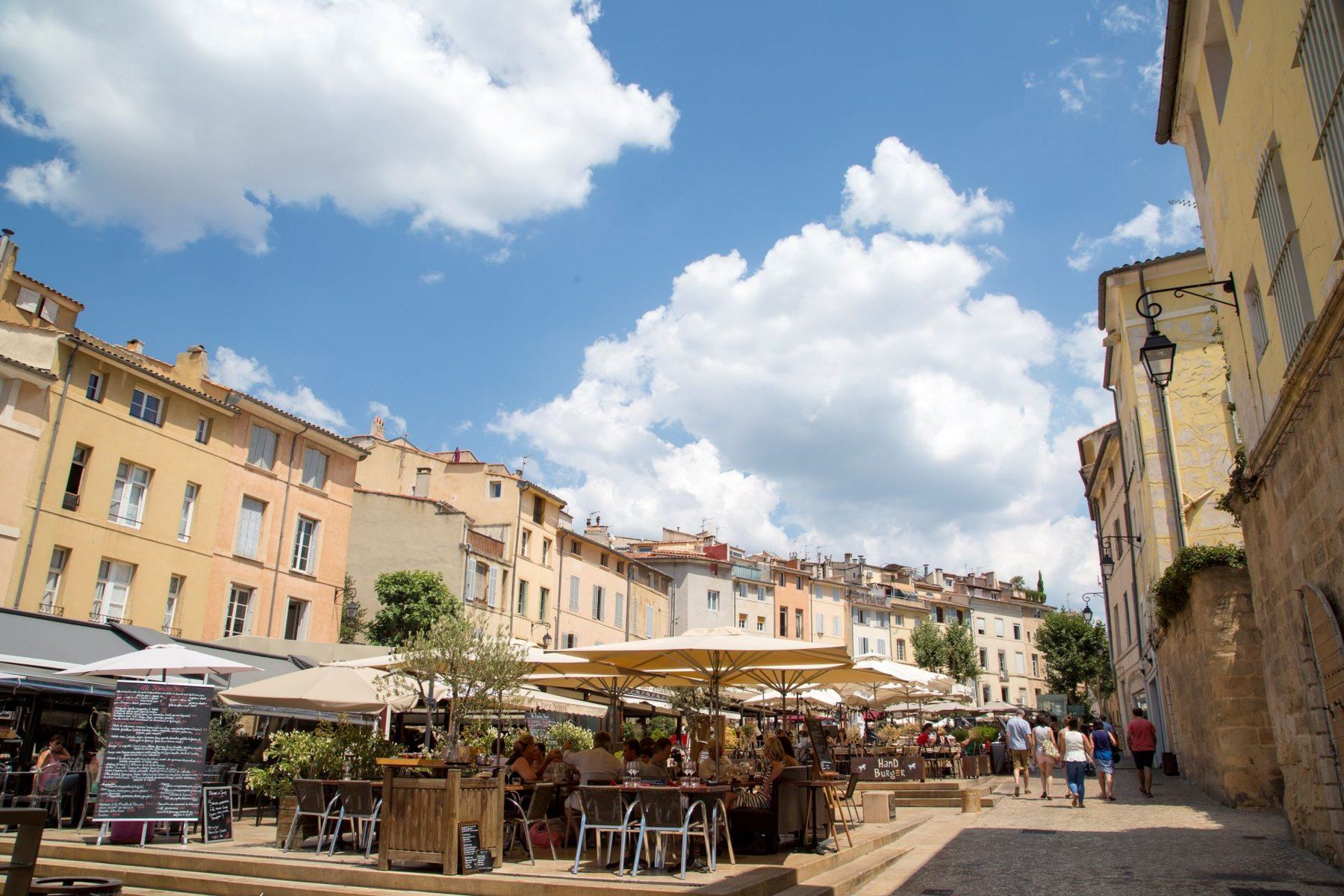
The youngest square in old Aix
In its present form, it has only existed since 1963. Before that, the narrow lanes of the medieval Jewish quarter, long since fallen into disrepair, were crowded together here. Today, its café terraces are the liveliest in the centre.
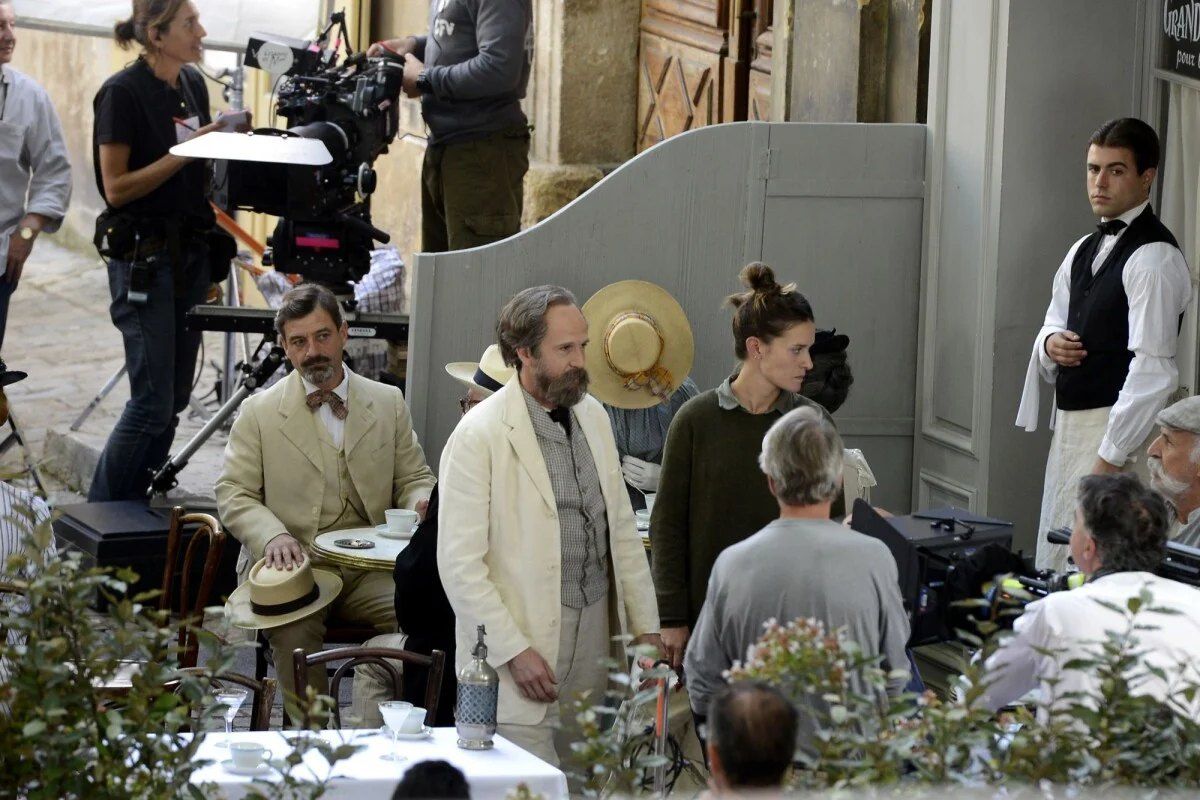
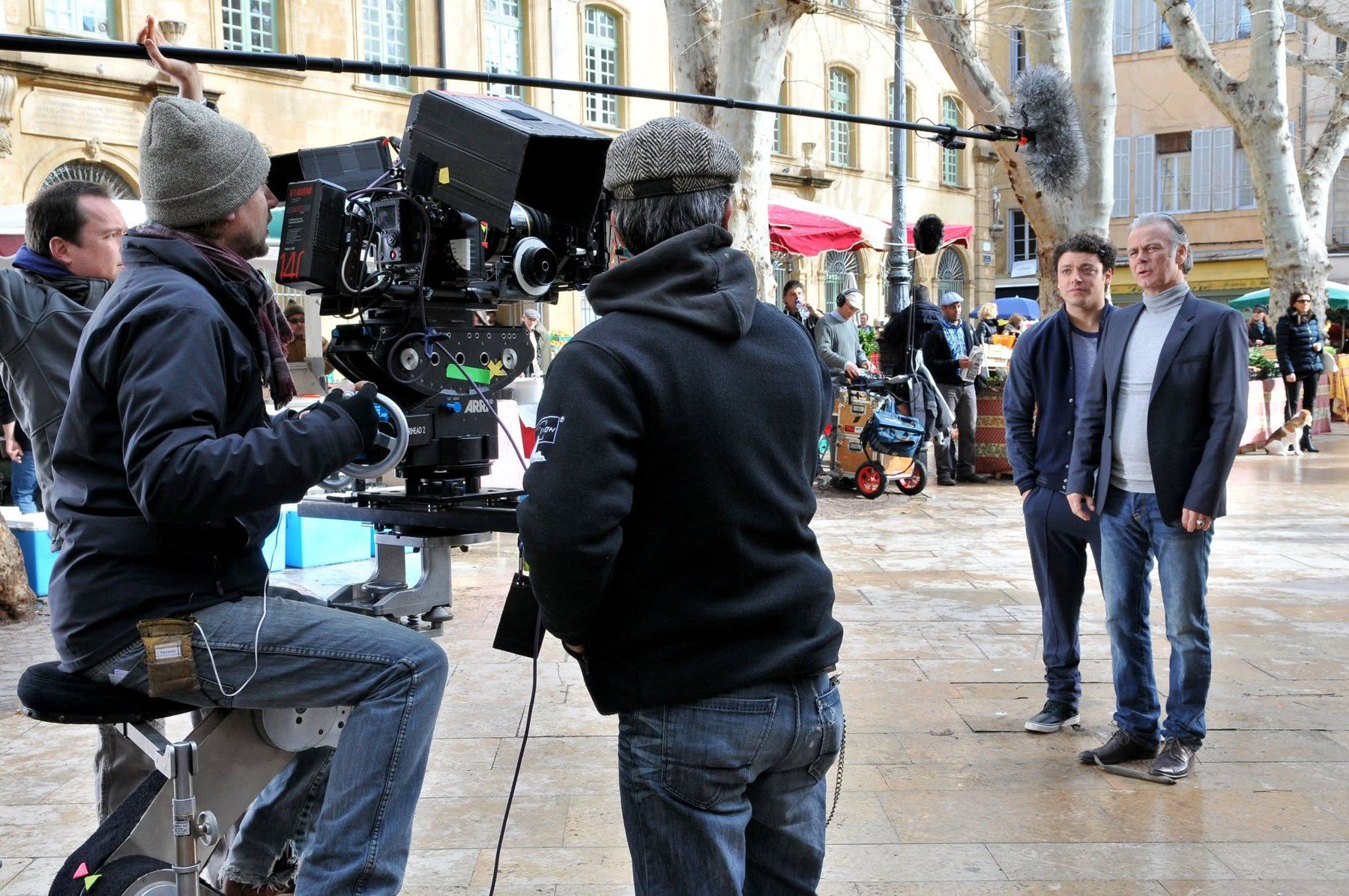
A film set in its own right

Our homes in the historic centre
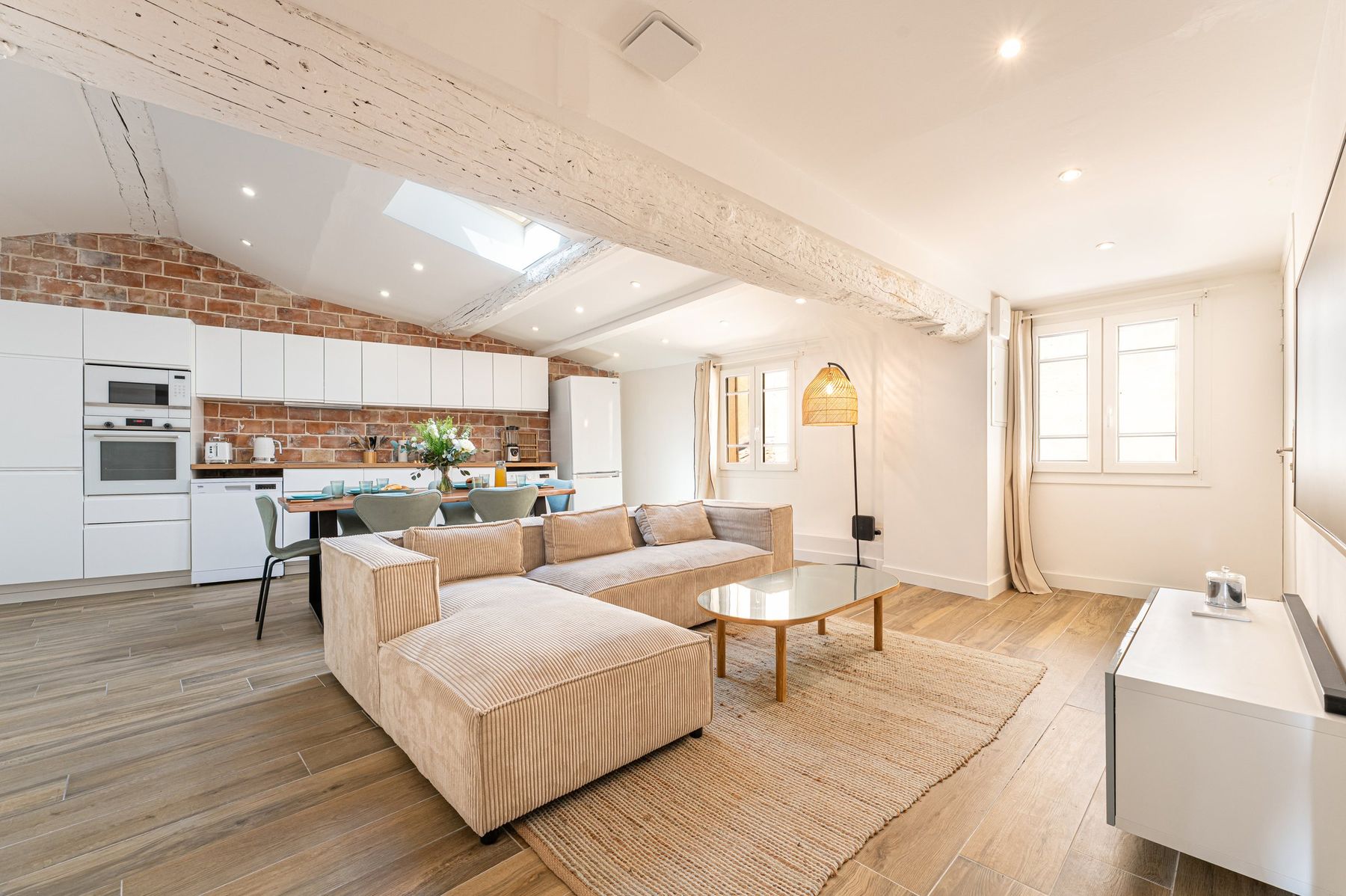
On the top floor of a building in the town centre, Le Saint-Esprit is an upscale 85 m² apartment with three bedrooms and two bathrooms, designed for six guests.
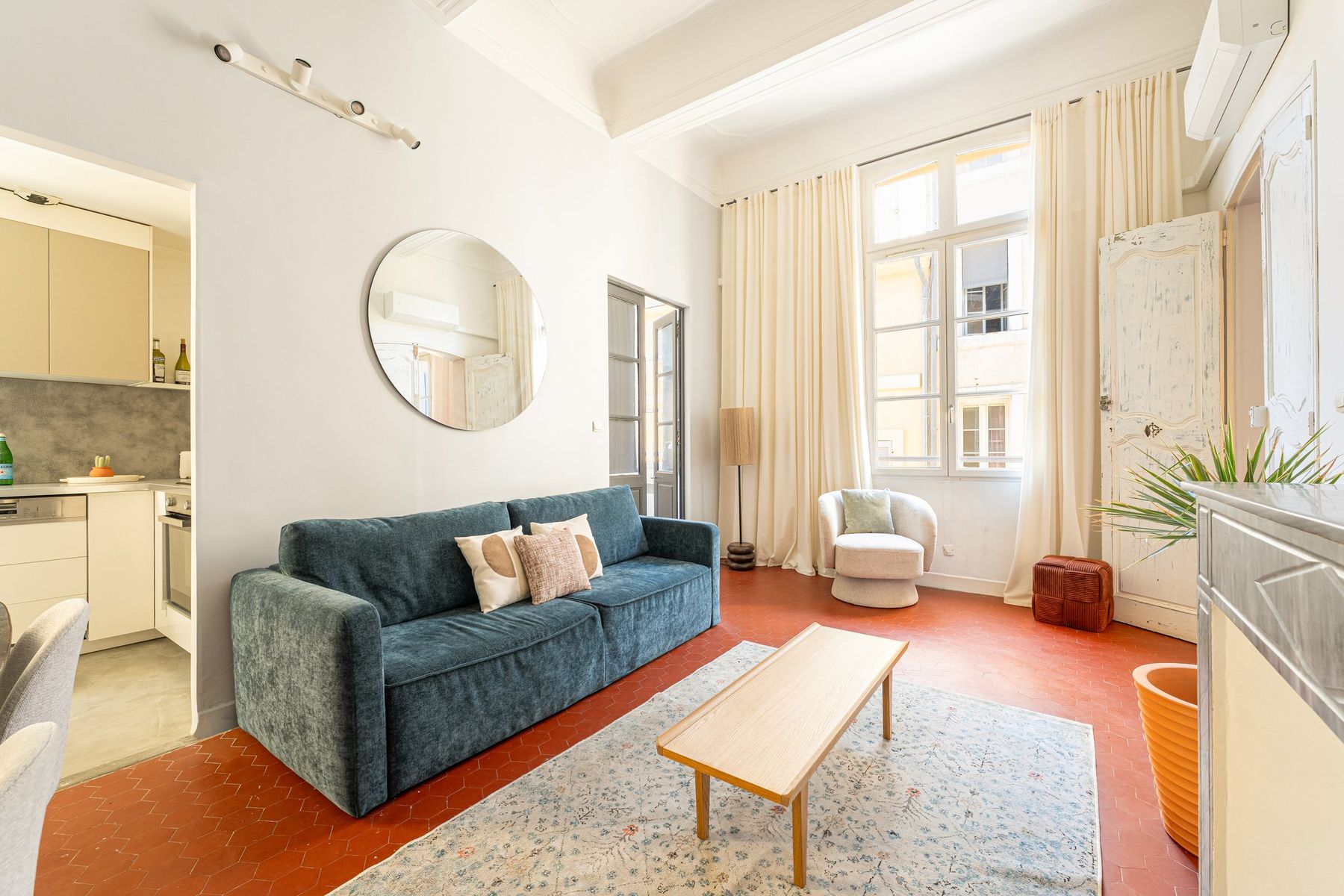
In the historic heart of Aix-en-Provence, 20 metres from place des Augustins and a minute from the Cours Mirabeau, L'Augustin is a 78 m² two-bedroom apartment designed for four guests.
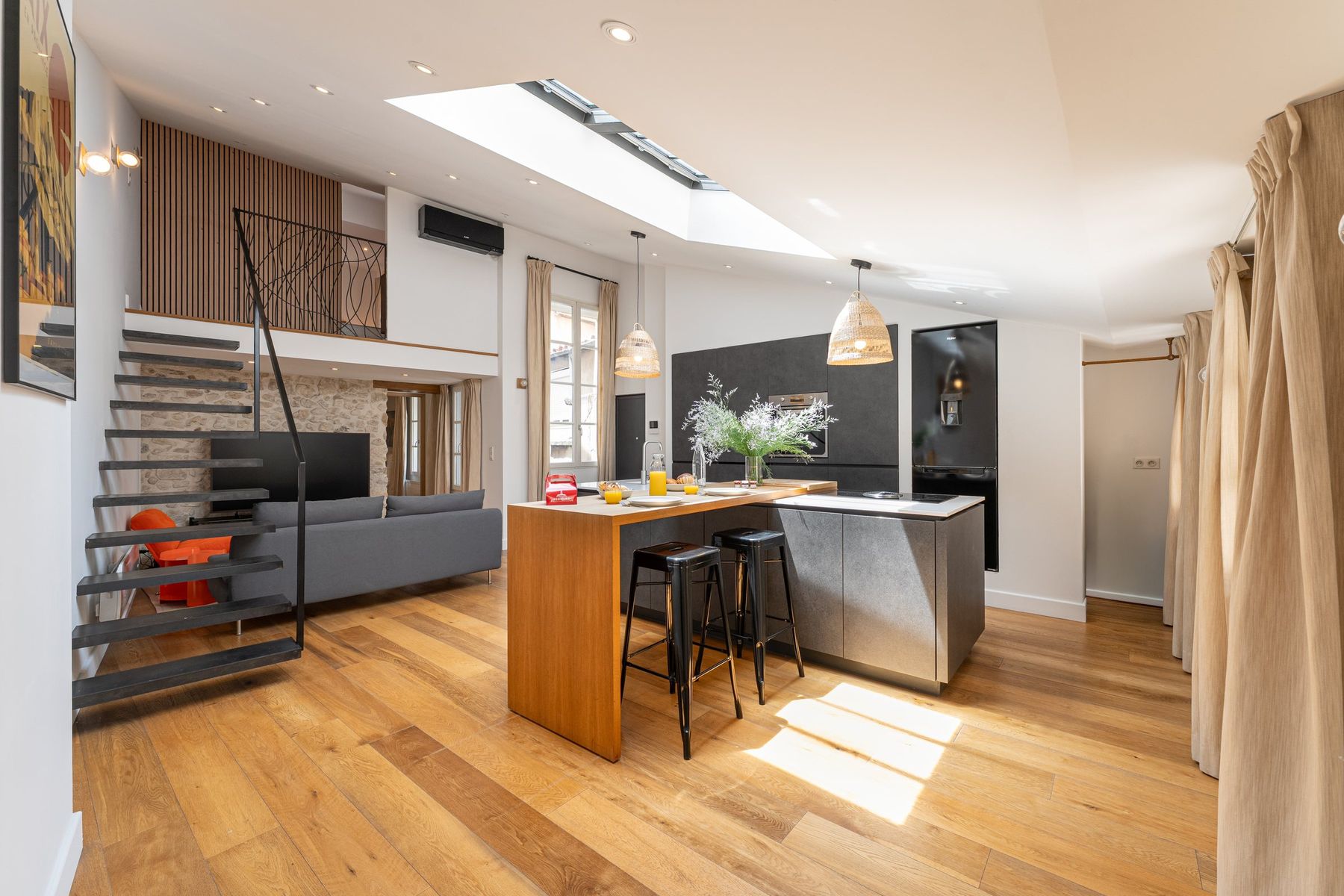
A few steps from place de l'Hôtel de Ville, in a historic building in the centre of Aix-en-Provence, L'Écolier is a light-filled two-bedroom duplex designed for four guests.
Frequently asked questions
When was place d'Albertas built?
It was laid out between 1742 and 1746 by the Marquis Jean-Baptiste d'Albertas, to designs by Georges Vallon. Its cast-iron fountain dates from 1912.
Who is the statue holding his own head on the cathedral?
It is Saint Mitre, patron saint of Aix, beheaded in the 5th century. According to legend, he carried his head to the church himself.
How old is the Tour de l'Horloge?
The tower dates from 1510 and its astronomical clock from 1661.
Where was Paul Cézanne born?
At 28 rue de l'Opéra, in the historic centre, on 19 January 1839. He died in 1906, having spent his final years at 23 rue Boulegon.
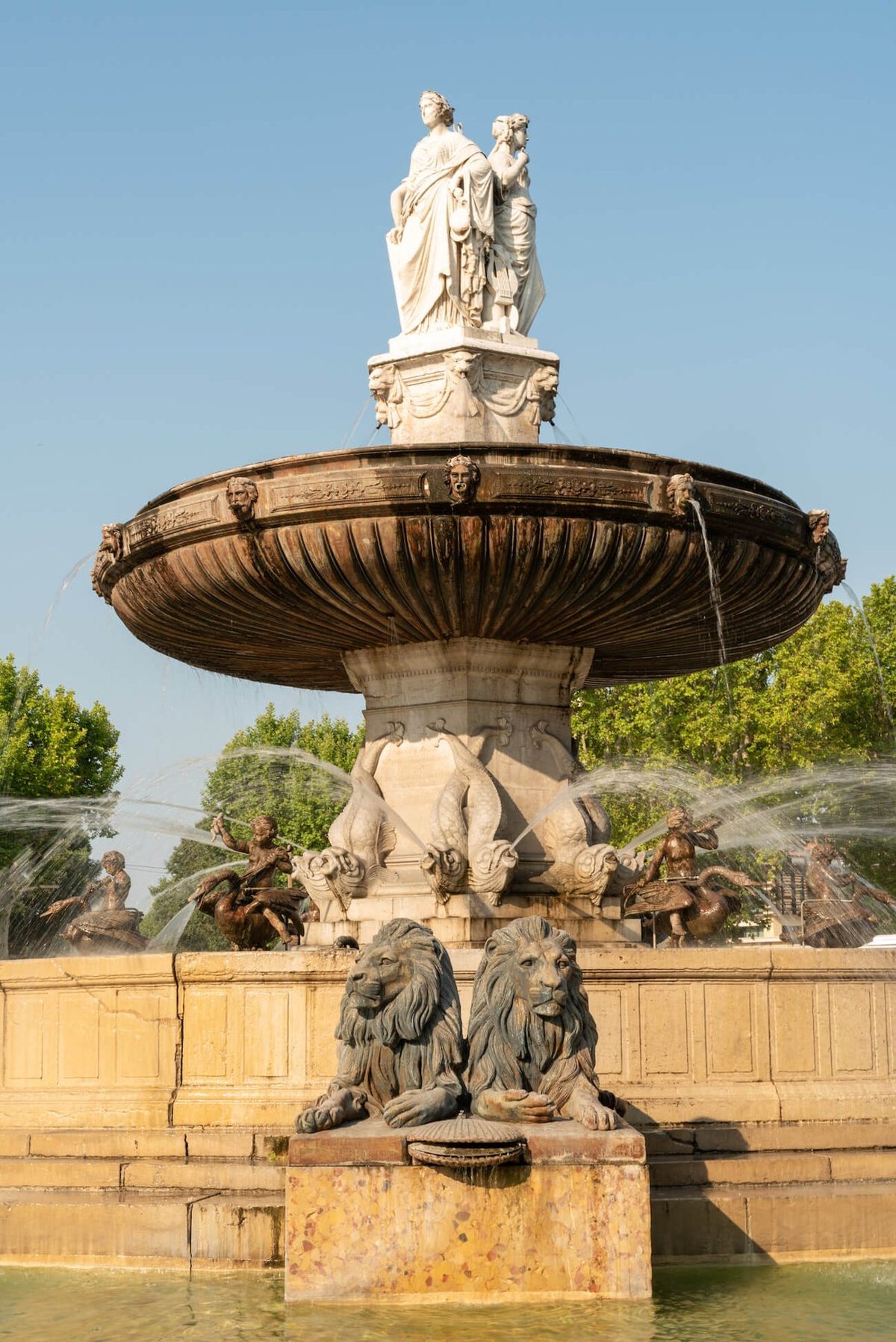 Aix, the city of a thousand fountainsHistoryA fountain that steams in winter, a marquis hanged in effigy, a copper star: what the fountains tell us about the city.
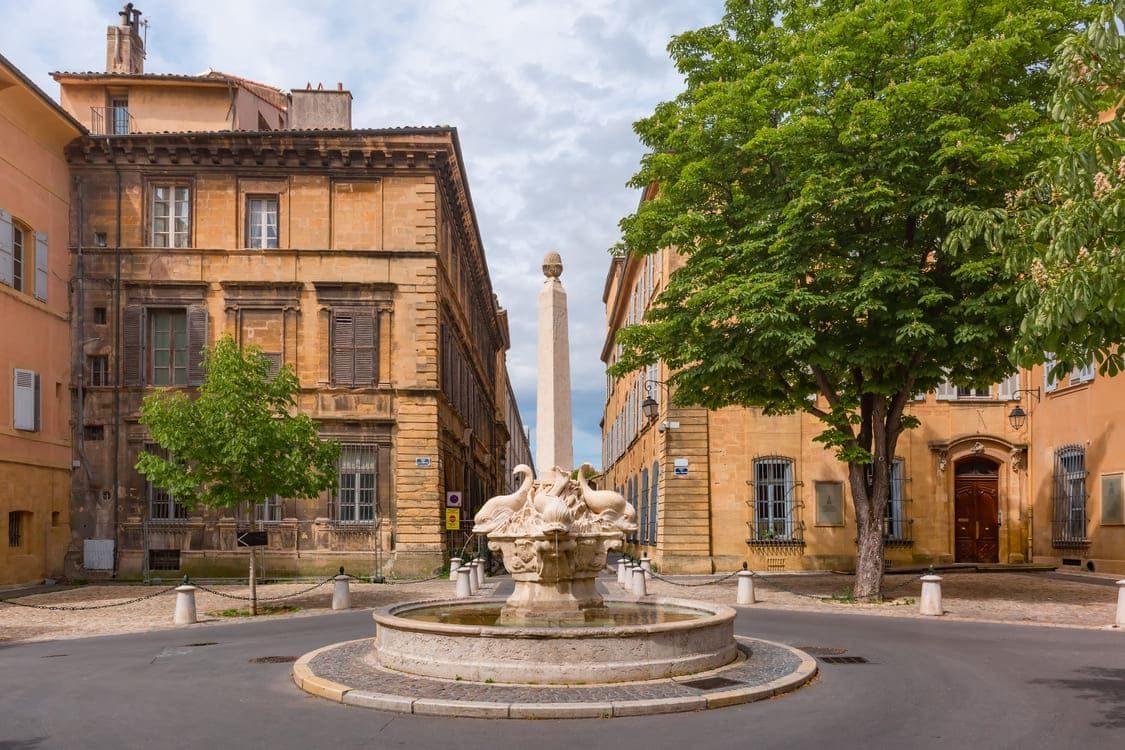 The Mazarin quarter, aristocratic AixNeighbourhoodsStreets laid out with a ruler, mansions of honey-coloured stone and the hush of the finest addresses.
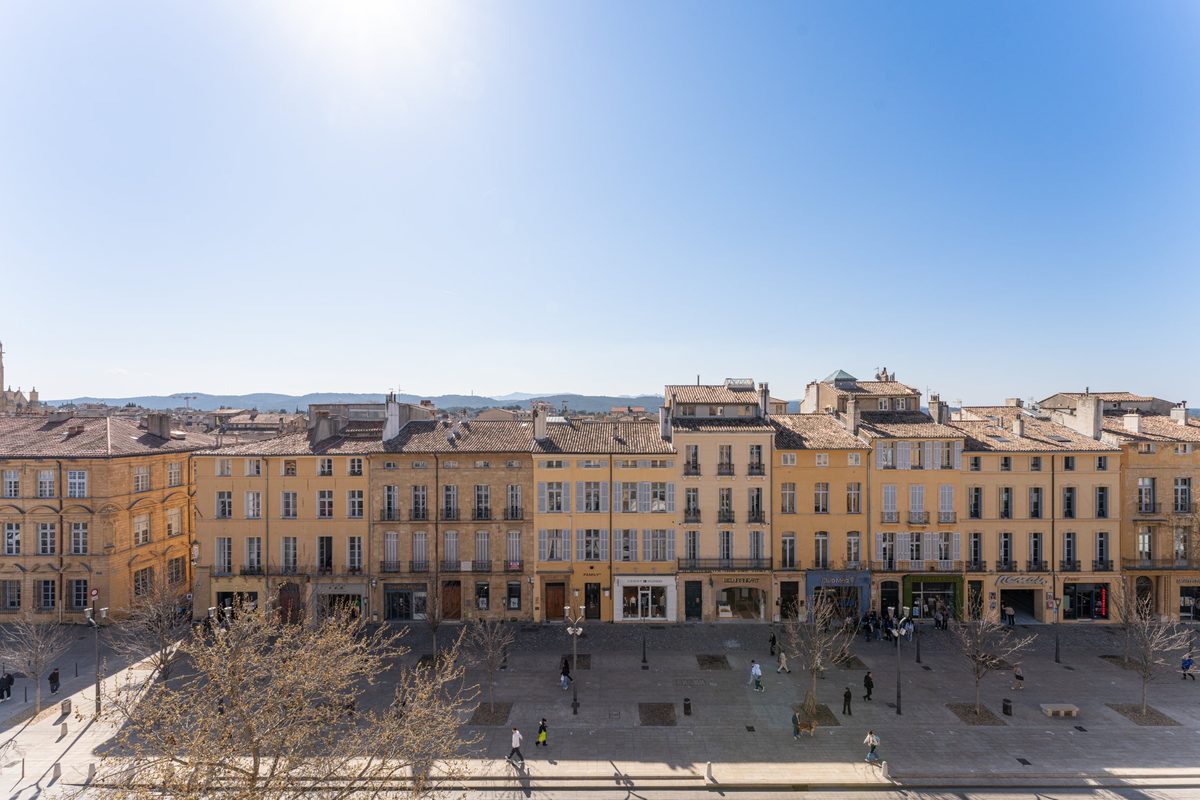 The Cours Mirabeau, the soul of AixNeighbourhoods440 metres of plane trees, café terraces and fountains: the most famous promenade in Provence.