Aquae Sextiae, where Aix was born
In 122 BC, the Roman consul Caius Sextius Calvinus founded a town around hot springs. It would be called Aquae Sextiae, the waters of Sextius. More than two thousand years later, these waters still flow in Aix.
2,000 YEARS beneath our feet
Like an archaeological dig: the deeper you go, the further back in time you travel.
A city born of water
Aix owes its name to water. When Caius Sextius Calvinus stationed his troops at the foot of the oppidum of Entremont in 122 BC, he chose a spot where hot and cold springs gushed from the ground. The town took the name Aquae Sextiae, the waters of Sextius, which would become Aix.
The Romans built baths here. Forgotten for centuries, they resurfaced in 1704 during building work, and a new spa was then built on the ancient foundations. A vaulted pool from Roman times is still preserved there, and therapeutic baths covering 130 m², discovered in 1921, were brought back to light in 1996.
NOT TO BE missed
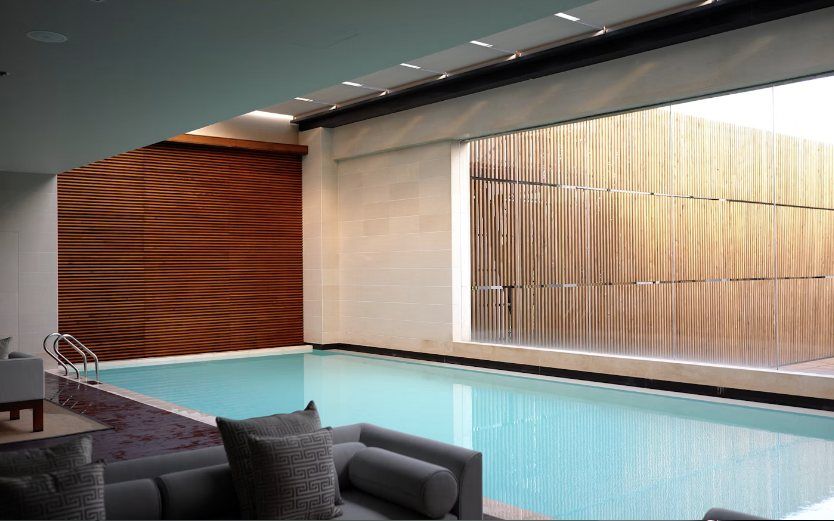
The spa resort
At the top of the Cours Sextius, the baths carry on a tradition more than two thousand years old, with water that gushes out at almost 30 °C.
The Roman remains
A vaulted Roman pool, lined with benches, is preserved in the present-day building: a rare testament to ancient Aix.
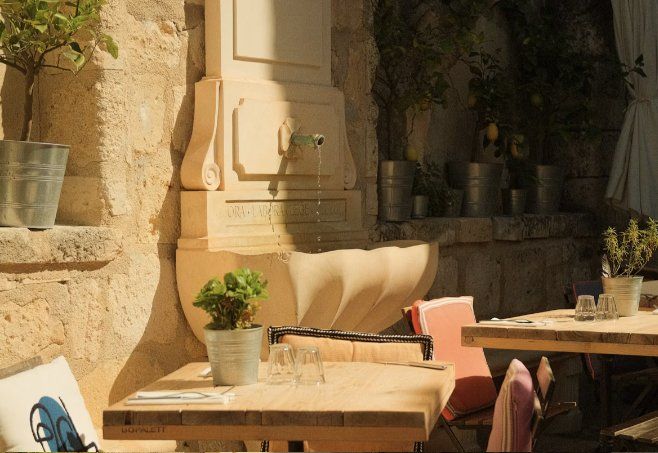
The Cours Sextius
A broad avenue linking the baths to the centre, it bears the name of the city's founder.
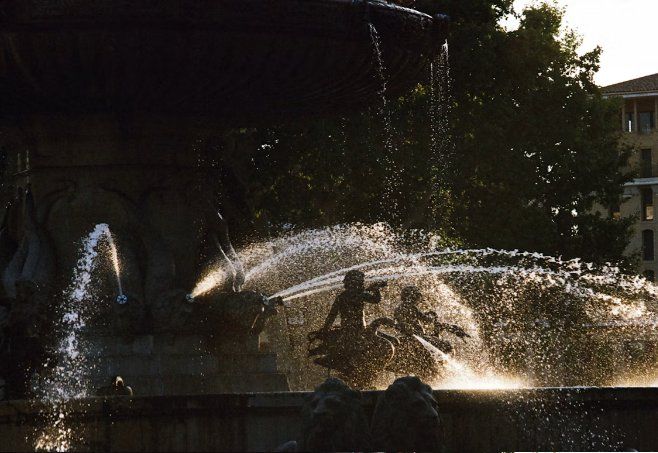
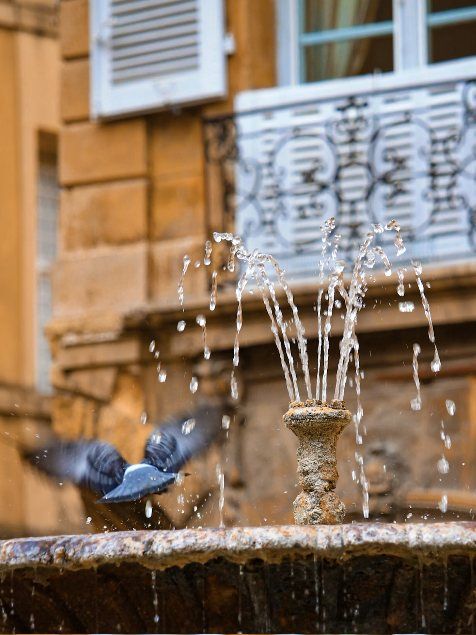
The Fontaine Moussue
Ten minutes' walk away, on the Cours Mirabeau, it is still fed by hot water from the old Bagniers baths.
Did youknow ?
Aix, literally “the waters”
The name Aix comes straight from the Latin aquae, the waters. Without its hot springs, the city would probably never have existed on this spot.
Baths forgotten for 1,400 years
The Roman baths were abandoned around the year 300. They resurfaced by chance in 1704, when a house was being demolished.
The Reine Jeanne spring
The Fontaine des Thermes, at the top of the Cours Sextius, is fed by the Reine Jeanne spring, on the site of Celto-Ligurian and Roman remains.
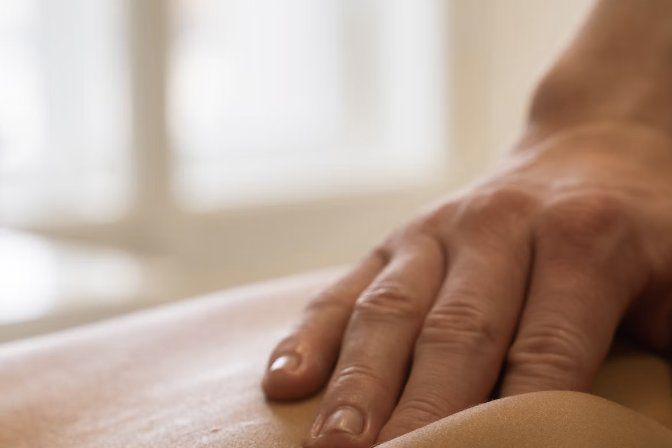
Today
A city of water and a city of art: that is how Aix still presents itself today. The Thermes quarter, north-west of the centre, is quieter than the Cours Mirabeau and a few minutes' walk from the old town. People come here for a moment of wellbeing, to follow in the footsteps of the Roman city, or simply to understand why Aix has so many fountains.
Our 10% off offer at the SR Mazarine spaFREQUENTLY ASKED questions
Why is Aix-en-Provence called Aix?
The name comes from the Latin Aquae Sextiae, the waters of Sextius, a reference to the hot springs around which the consul Sextius founded the town in 122 BC.
What is the temperature of the water at the Aix baths?
The thermal springs gush out at almost 30 °C.
Can you see Roman remains at the Thermes Sextius?
Yes, a vaulted pool from Roman times is preserved in the present-day spa.
Why is Aix called a city of water?
The city was founded around its hot springs, and many of its fountains, including the Fontaine Moussue, are still fed by spring water.